- Free Consultation: (318) 419-3735 Tap Here To Call Us





Louisiana’s Test for Intoxication in Civil Cases


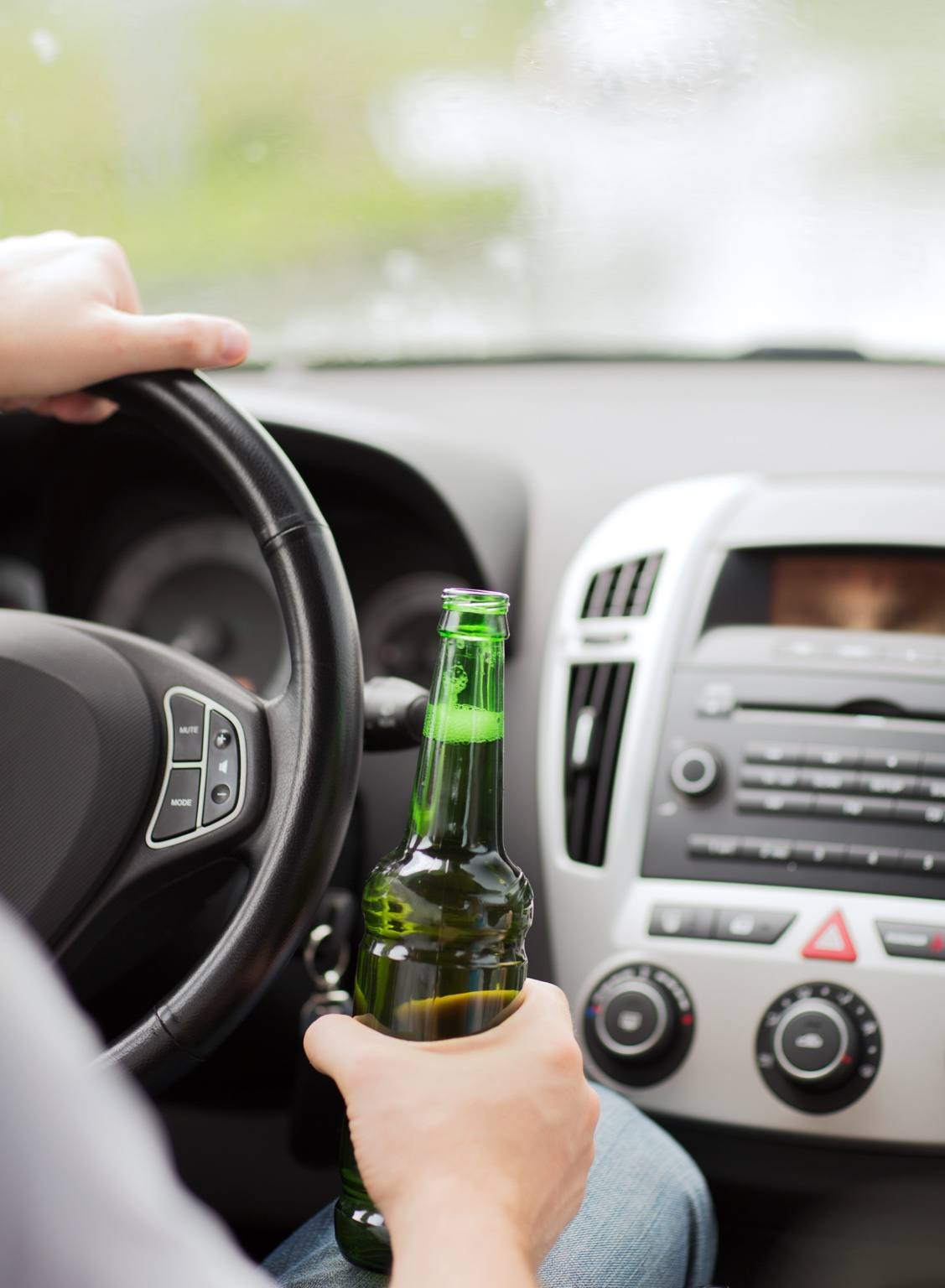
Once intoxication is alleged, the standards for proving intoxication vary depending on whether the case is civil or criminal. This blog post will focus on the test for establishing intoxication in civil cases. Establishing intoxication in civil cases matters because, if you are injured by someone who is driving while intoxicated, you may be awarded punitive damages.
The Totality of the Circumstances Test
Whether a driver was intoxicated at the time of a collision, and whether the driver’s intoxication was a cause in fact of a collision, are inherently factual issues which are decided by examining the totality of the circumstances on a case-by-case basis. You may think you need a toxicology test to prove intoxication, but that is not true in a civil case. In Louisiana, toxicology tests and expert testimony are not required to prove intoxication. Circumstantial evidence of intoxication is sufficient for a plaintiff to carry their burden of proof in a civil matter.
Courts Applying the Totality of The Circumstances Test to Address Intoxication in Civil Lawsuits
In Owens v. Anderson, the Fourth Circuit Court of Appeal upheld a finding of intoxication of a defendant driver based on circumstantial evidence without the benefit of toxicology tests. In Owens, the court noted there was no blood alcohol test evidence available because the driver fled the scene. The court inquired, “Does this mean that all an intoxicated driver need to do to avoid 2315.4 liability is to successfully flee the accident scene? We think not.”
The Owens court found that blood alcohol tests are not the only way in which intoxication can be established in a civil case. The triers of fact can look to the totality of the circumstances. In Owens, the defendant driver swerved before the collision; he smelled of beer; he was seen drinking from a beer can after the collision; and he left the scene because he did not want the police called. The court stated, “these are sufficient facts on which the trier of fact could have found intoxication.
In Lacoste v. Crochet, the Fourth Circuit Court of Appeal affirmed the totality of the circumstances test as noted in Owens to uphold a finding the defendant driver was intoxicated. In Lacoste, witnesses testified the defendant driver was stumbling, smelled of alcohol, and did not act “normal”. The witnesses also testified the defendant driver did not want the police called because the defendant driver advised he had a prior DWI arrest and feared he would be taken to jail. Because the defendant driver left the scene, there were no toxicology tests.The appellate court noted the trial court considered the witness testimony and found it credible and held “under the circumstances, we do not find manifest error in the trial judge’s conclusions that [the defendant driver] was intoxicated and that his intoxication contributed to the accident.”
Intoxication Must be a Cause-in-Fact of the Resulting Injury
Just because someone is intoxicated and causes a collision does not mean you can automatically recover. To establish a claim for punitive damages, you must also establish that the intoxication is a cause in fact of your injury.
When determining whether intoxication existed and whether it was a cause-in-fact of a collision, the Fourth Circuit Court of Appeal in Drouant v. Jones, noted “[t]he question is whether, in light of the record as a whole, the trial court’s finding was reasonable. Also, we have held in prior cases that, even absent a positive alcohol test, a driver’s intoxication can be proven by the circumstances.” In Drouant, the court affirmed the trial court’s determination finding the driver was intoxicated, noting it required an evaluation of credibility and the factual circumstances present based upon the record as a whole.
The cause-in-fact requirement was addressed by the First Circuit Court of Appeals in Flowers v. Miller. In Flowers, during a bench trial the judge “made a factual determination that [the defendant driver] was impaired at the time of the accident, but found that this impairment was not a cause-in-fact of his attentiveness, which actually caused the accident.”
In Lyons v. Progressive Insurance Company, the Fourth Circuit Court of Appeal affirmed an award of punitive damages against an intoxicated driver who was leaning over, searching for a compact disc at the time of the collision. The fact that the driver was leaning over searching for a compact disc shows that even if an intoxicated driver is distracted by an object inside the vehicle, the intoxication can still be a cause-in-fact of the collision.
Punitive damages are available to those hurt by drunk drivers
Louisiana law recognizes there are additional damages available to those hurt by an intoxicated defendant. La. Civil Code Article 2315.4 provides:
In addition to general and special damages, exemplary damages may be awarded upon proof that the injuries on which the action is based were caused by a wanton or reckless disregard for the rights and safety of others by a defendant whose intoxication while operating a motor vehicle was a cause in fact of the resulting injuries.
La. Civil Code Article 2315.4
Wanton and Reckless Disregard
The Fourth Circuit Court of Appeal in Bourgeois v. State Farm Mutual Automobile Insurance Company expounded upon the third element of a plaintiff’s punitive damages claim. The Bourgeois court noted, “The element necessary to recovery under La. Civ. Code art. 2315.4 is wanton and reckless disregard for the rights and safety of others. Thus, no evidence of a specific action by the defendant is necessary. In order to prove “wanton and reckless disregard,” the plaintiff is required only to prove a “general state of mind” and a “conscious indifference to consequences.’” These findings are normally left to the fact-finder, such as a judge or jury.
Have you been hurt by an intoxicated driver?
Intoxication can occur in many ways. Substances are always evolving. If you believe that you were in an accident with a drunk driver or an intoxicated driver, contact me today for your free consultation. Time is of the essence in these cases because preserving evidence can make or break a case. Contact Salter Law today to learn how you can be made whole after being injured by someone who was intoxicated, or read more about drunk driving accidents here.